The City You Think You Know — Yet Always Rediscover
In the European imagination, Chongqing is often reduced to a mere departure point for Yangtze River cruises. In reality, this vast metropolis of over 30 million people is anything but a simple stopover. Rising along the riverbanks and perpetually wrapped in mist, Chongqing embodies both the bold energy of modern China and a spiritual legacy shaped over millennia.
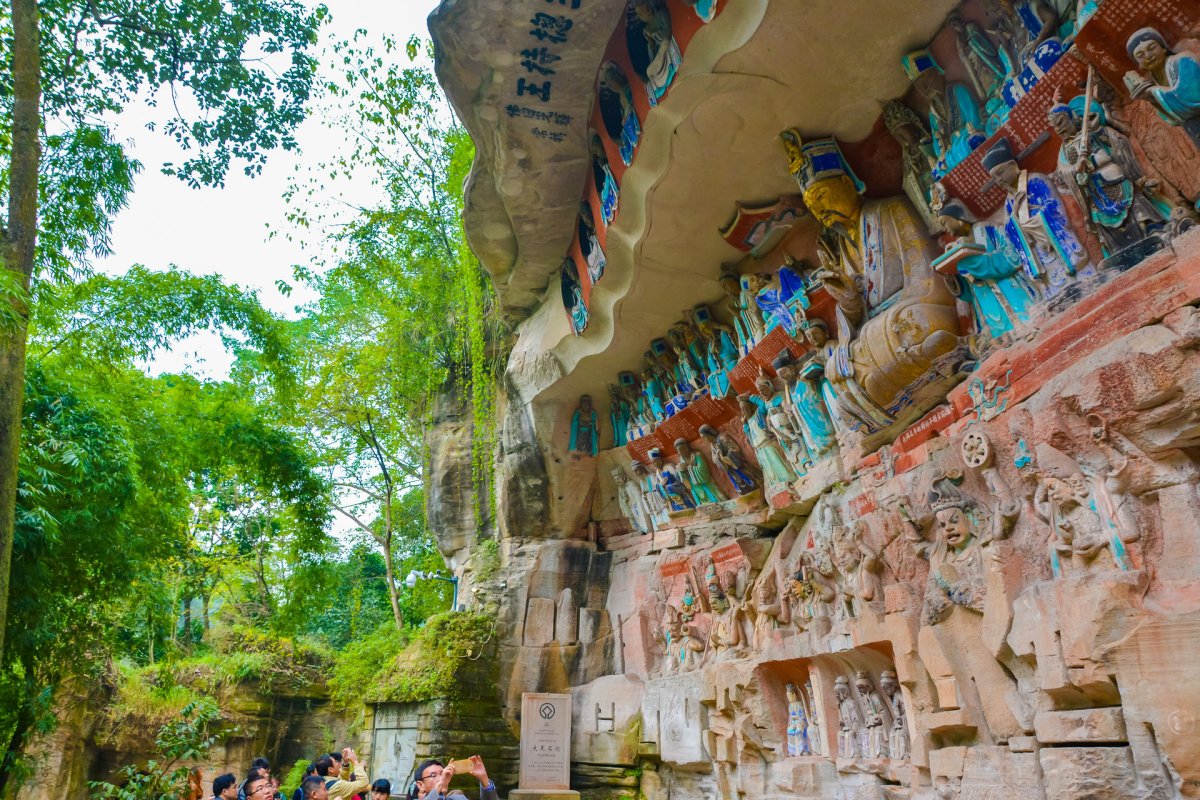
To wander through Chongqing is to embrace a kind of vertigo: the vertigo of a vertical city cascading down steep hillsides; of glass skyscrapers reflected in the waters of the Yangtze; of the fiery aroma of a shared hotpot; and of the profound silence found in the ancient Buddhist caves of Dazu, a UNESCO World Heritage site carved into stone centuries ago.
The Mountain City: Chongqing and Its Mist-Shrouded Skyline
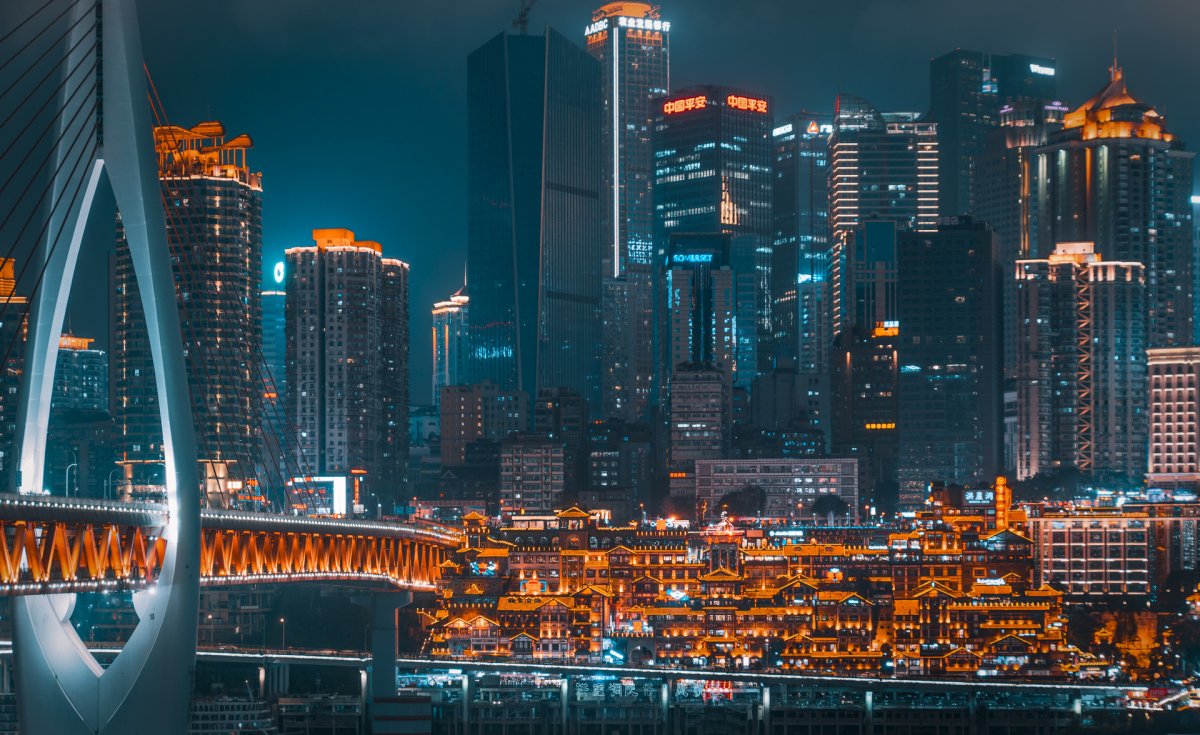
Nicknamed the “Mountain City” and the “City of Fog,” Chongqing defies conventional urban logic. Streets rise and plunge like frozen waves, bridges span entire valleys, and metro trains seem to emerge straight through residential towers. Viewed from the banks of the Yangtze, the skyline feels almost surreal — a fortress of glass and steel hovering above the mist.
After dark, Chongqing becomes a city of light. Skyscrapers glow, river cruises sparkle, and the cliffside district of Hongyadong, with its traditional stilted houses, evokes the atmosphere of a living legend. Unlike Shanghai or Hong Kong, Chongqing has never tried to mirror the West. Instead, it offers a strikingly original urban experience, shaped by its dramatic geography and deeply rooted cultural identity.


Hotpot: A Fiery Cultural Ritual
Tasting Chongqing hotpot is far more than a culinary stop — it is a true rite of passage. Served in a bubbling pot divided into two broths — one mild, the other a blazing crimson infused with chilies and Sichuan peppercorns — diners dip slices of meat, vegetables, tofu, and mushrooms into the simmering depths, sharing both the heat and the experience.
The Dazu Rock Carvings: A Spiritual Masterpiece Listed by UNESCO
Two hours from Chongqing, another world unfolds: the Dazu Rock Carvings. Listed as a UNESCO World Heritage Site, they comprise more than 50,000 statues carved between the 9th and 13th centuries. Here, Buddhism meets Taoism and Confucianism. Unlike the more austere murals of Dunhuang, the sculptures of Dazu stand out for their deep sense of humanity:
- Smiling Buddhas, approachable and close to everyday life
- Scenes of daily existence: farmers, children, families
- Moral allegories teaching filial piety, compassion, and ethical values